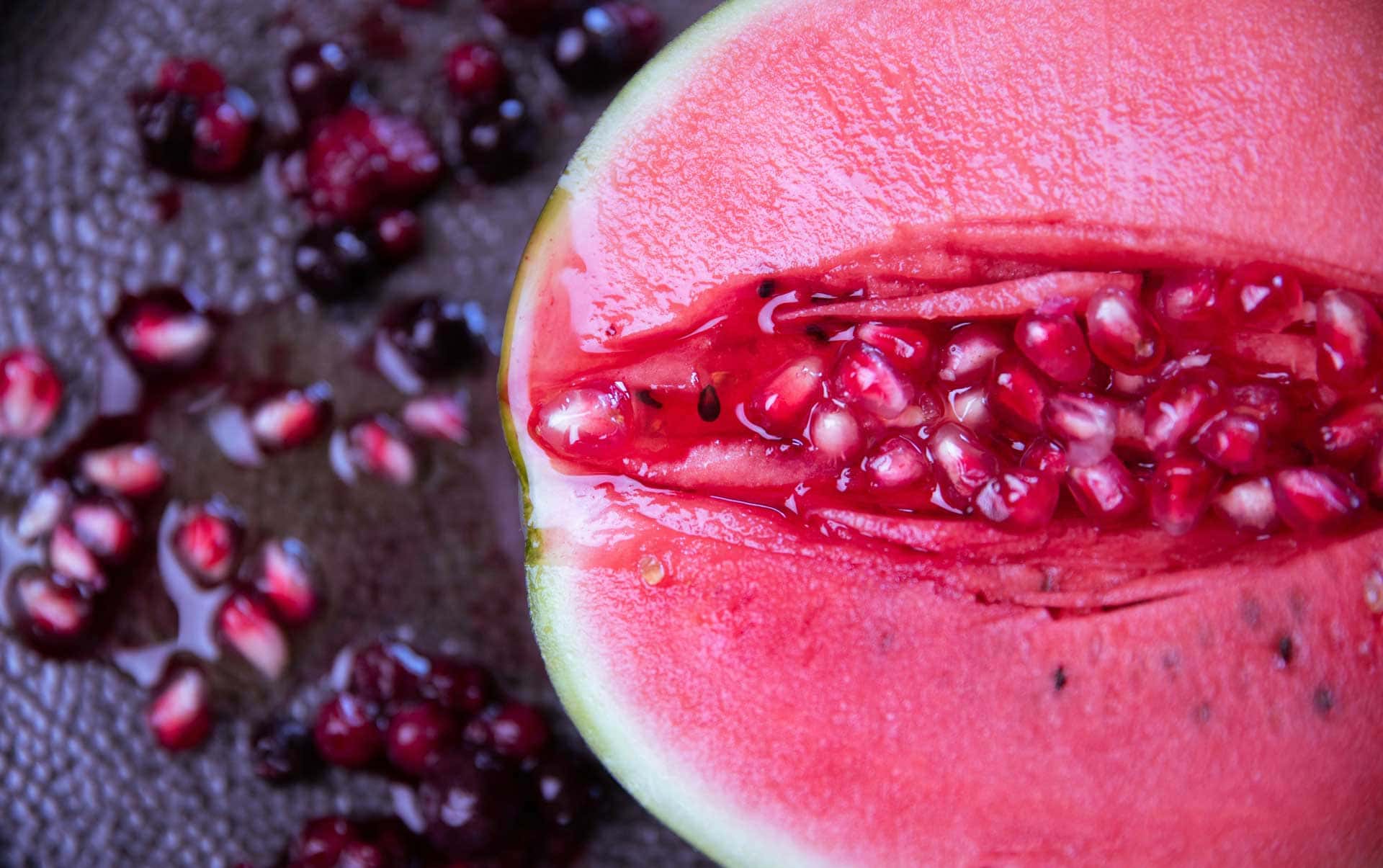
Happy Menopausal Fannies
Officially known as Genito-Urinary Syndrome of Menopause (GSM)
GSM is a relatively new term for the conditions previously known as
- vulvovaginal atrophy
- atrophic vaginitis
- urogenital atrophy
- or simply happy fannies
The term was first introduced in 2014 and describes a Chronic, Progressive, Vulvovaginal, Sexual, Lower urinary tract condition, which is characterized by a broad spectrum of signs and symptoms, most of which can be attributed to the lack of Estrogen that characterizes menopause.
Even though the condition mainly affects postmenopausal women, it is also seen in many pre- and perimenopausal women. Estrogen levels are declining way before they fall off a cliff at menopause.
The low Estrogen results in hormonal and anatomical changes in the genitourinary tract, the most bothersome being
- vaginal dryness
- dyspareunia – painful sex
- dysuria – painful urination
- reduced lubrication
- vaginitis
- incontinence
All of which can have a great impact on the quality of daily life, especially those who are or would like to be sexually active.
Possible Treatments
Hormone therapy
- Local Estrogen products are generally considered the gold standard
Non-hormonal therapies
- Lubricants and moisturizers may make sex more ‘doable’, but they do nothing for the other challenges
- Laser technologies can also be an alternative option for vaginal dryness