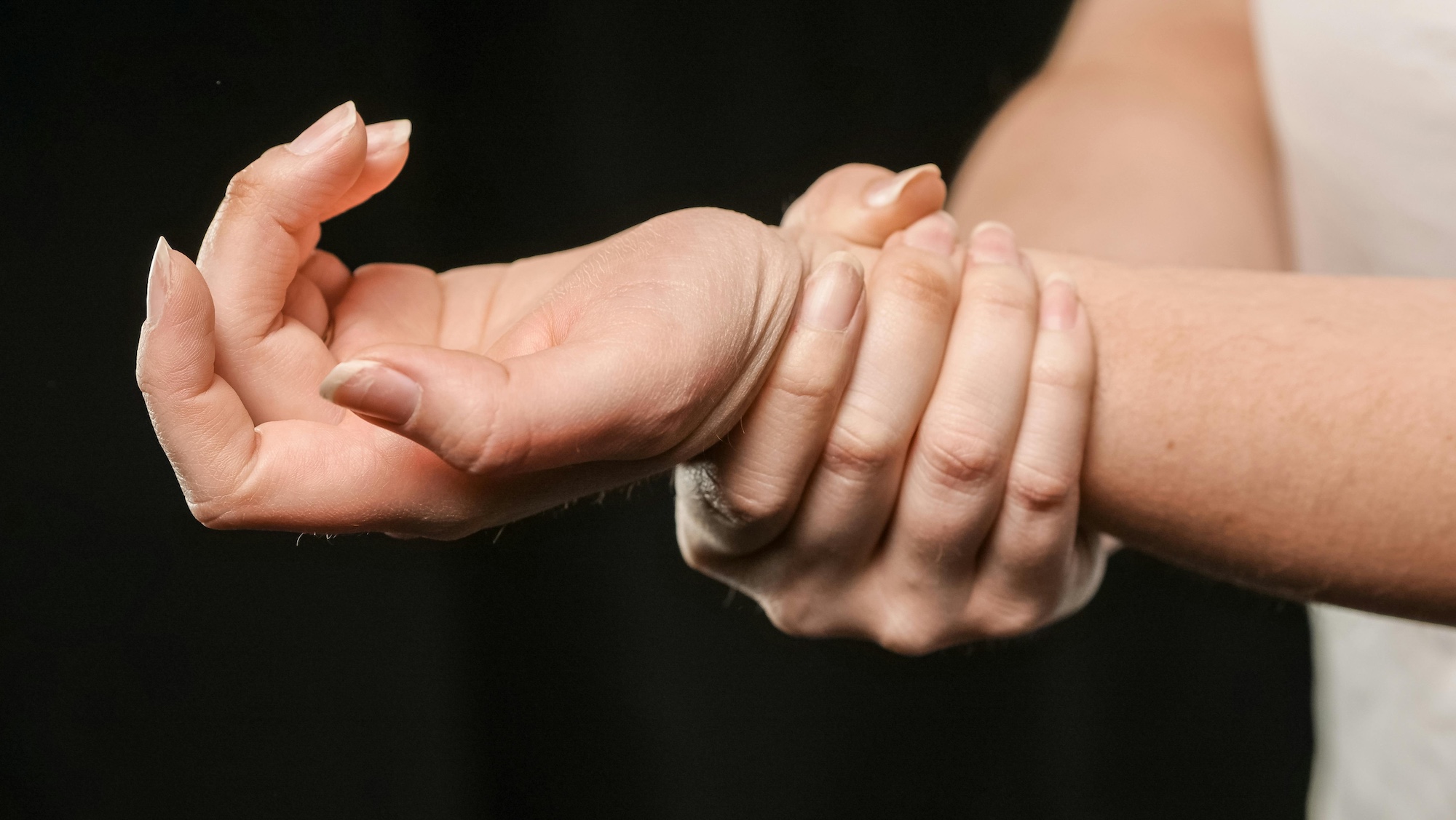
- Fragility fractures result from low-energy trauma – a mechanical force that would not ordinarily cause a fracture.
- These fractures are the main clinical consequence of osteoporosis, although they may occur in postmenopausal women even in the absence of osteoporosis
Key facts from WHO – September 2024
- In 2019, there were 178 million new fractures globally, an increase of 33.4% of the absolute number of new fractures since 1990, partly driven by population growth and ageing.
- The same year, there were 455 million prevalent cases of acute or long-term symptoms of a fracture, an increase of 70.1% of the absolute prevalence since 1990.
- Globally in 2019, fractures accounted for 25.8 million years lived with disability (YLDs), an increase of 65.3% of the absolute YLDs since 1990.
- Fractures are more likely to occur in older people, especially older women.
- Most fractures in older people are due to bone fragility called fragility fractures
- Fragility fractures result from mechanical forces quantified as equivalent to a fall from standing height or less – known as low energy trauma.
- Owing to the global population growth and ageing, the annual incidence of total fractures worldwide is expected to continue to increase, driven by fragility fractures.
- However, an individual’s risk of fragility fracture can be predicted, and these fractures are preventable using effective interventions.
- Fractures are a global public health concern and are associated with significant morbidity, mortality and healthcare costs.
- Due to worldwide population growth and ageing, the number of people sustaining a fracture each year has been increasing.
- Currently, there are no global estimates on fragility fractures, only data that includes all fractures combined.
- According to data from the Global Burden of Disease Study, the annual costs of fragility fractures in the largest five EU countries are expected to increase by 27% by 2030, the same trend is reported in other parts of the world.
- Therefore, preventing fragility fractures through early assessment of risk factors and treatment of osteoporosis is essential for good health and well-being for all adults, and particularly so for older people.
Types of fragility fractures
- The most common sites of fragility fractures are the:
– Spine- Hip
– Distal forearm aka the wrist
– Proximal humerus
- Other fragility fracture sites include the
– Pelvis
– Ribs
– Proximal tibia. - Hip and vertebral (spine) fractures are considered the most serious fragility fractures.
Risk factors
- Risk factors are
– Lifestyle
– Genetics
– Social factors
– Environmental factors that increase an individual’s risk or propensity of developing a disease or sustaining a health-related problem and are generally categorized into modifiable and non-modifiable factors.
Modifiable risk factors
- Can be changed by modifying one’s lifestyle or environment, so that the probability of occurrence of a disease or a health condition may be reduced, such as.
– Smoking
– Alcohol consumption
– Sedentary behaviour/physical inactivity
– Low body weight
– Nutrient-poor diet
– Vitamin D, vitamin K, magnesium and calcium deficiency
– Eating disorders – anorexia nervosa and bulimia
– Malabsorption
– Obesity surgery and or medication
– Medications, such as glucocorticoids, antidepressants anticonvulsants, androgen deprivation therapy, etc.
– Falls
Non-modifiable risk factors
- Although non-modifiable risk factors cannot be altered by lifestyle or environmental changes, knowledge of these factors is fundamental for health workers and patients for optimal prevention strategies. In fact, as with many age-related conditions, fragility fractures can result from multiple causes and risk factors.
– Older age
– Sex – women have a higher risk
– Ethnicity – Caucasian people have a higher risk
– History of prior fractures
– History of parental fractures
– Menopause
Treatment
- There’s no cure for osteoporosis – prevention is key
- Some treatments can help slow / prevent the breakdown of bone
- Some spur the growth of new bone
Medications
All come with a risk of side effects:
- Bisphosphonates – prevent the loss of bone mass by poisoning osteoclasts so they don’t breakdown bone.
They may be taken orally or by injection, such as
– alendronate (Fosamax)
– ibandronate (Boniva)
– risedronate (Actonel)
– zoledronic acid (Reclast)
Known side effects
– Fever and flu-like symptoms.
– Low levels of calcium in your blood – hypocalcaemia Bone and joint pain.
– Changes in bowel movements.
– Tiredness and low energy levels
– Nausea.
– Kidney problems
– Irritation of the food pipe (oesophagus)
– Jaw problems – Osteonecrosis / death of bone tissue
- Denosumab injection (Prolia)
– Not a bisphosphonate – the medical world sees this drug as more promising than bisphosphonates at reducing bone loss.
– An antibody that prevents the development of osteoclasts and thereby the breakdown of bone
Known side effects
– Joint and muscle pain
– Cellulitis
– Low blood calcium
– Hypersensitive allergy reaction
– Jaw problems – Osteonecrosis / death of bone tissue
– atypical femur fractures
• Romosozumab (Evenity)
– Increases bone formation and decreases bone breakdown.
– A newer drug/injection.
– Not recommended for people with a history of CV problems.
- Romosozumab (Evenity)
-Increases bone formation and decreases bone breakdown.
-A newer drug/injection.
-Not recommended for people with a history of Cardiovascular problems.
Known side effects
– Increased risk for heart attacks and strokes
– New or unusual pain in your thigh, hip, or groin
– Jaw pain or numbness
– Red or swollen gums
– Loose teeth
– Infected gums
– Low calcium level
– Muscle spasms or contractions
– Numbness or tingly feeling around your mouth, or in your fingers and toes
Testosterone Replacement Therapy
– increase bone growth by stimulating osteoblast activity and inhibiting osteoclast
– Good for men
– Not well studied in women, but studies do show an increased BMD
Known side effects
– Acne and oily skin
– Excess hair growth on face, nipples
– Possible prostate enlargement
- Estrogen Replacement Therapy
– Preferably as prevention
– Used before, during and after menopause
– Can help stop bone density loss by increasing the life span of osteoblasts
Known side effects
– Bloating
– Breast tenderness
– Headaches
– Vaginal bleeding
– ? Minimal increased risk of breast cancer ? if at all, some studies demonstrate a decrease risk of breast cancer with ERT – read this article for more information
- Raloxifene (Evista)
– a SERM – Selective Estrogen Receptor Modulator
– increases Estrogen activity in bone tissue
– blocks Estrogen activity in other tissues
Known side effects
– hot flashes
– leg cramps
– swelling of the hands, feet, ankles, or lower legs.
– flu-like syndrome.
– joint pain.
– sweating.
– difficulty falling asleep or staying asleep.
- Teriparatide (Forteo)
– Is a portion of human parathyroid hormone (PTH) stimulating bone growth by activating osteoblasts more than osteoclasts
Known side effects
– Pain
– Weakness
– Heartburn or sour stomach
– Leg cramps
– Dizziness
– Depression
– Redness pain, swelling, bruising, a few drops of blood or itching at the injection site
– Back spasm
- Calcitonin
– A Thyroid hormone nasal spray decreases bone breakdown by inhibiting osteoclast activity
Known side effects
– Crusting, patches, or sores inside the nose.
– Dryness, itching, redness, swelling, tenderness, or other signs of nasal irritation not present before use of this medicine.
– Headaches (severe or continuing)
– Nosebleeds
– Stuffy nose.
- Plant hormones
– Red clover, soy, and black cohosh
– Few, if any, studies support the use of these supplements for treating low bone density and or osteoporosis
– Fermenting is necessary for optimal effect
– They can cause side effects
– They can interact with medications
- Diet and Lifestyle
Diet
Collagen – bone matrix made of Collagen
Protein – minimum 1 gm per kilo body weight per day, minimum 25g per meal for most females – see macronutrient list here
Vit C – Essential for optimal collagen production
Vitamin D3 – Essential for optimal calcium absorption in the gut
Vitamin K2 – Essential for calcium uptake in bones and teeth and not blood vessel walls
Calcium – For storage in osteoblasts
Magnesium – Supports K2 and D
Boron – Reduces excretion of calcium, magnesium and phosphorous
Strontium – has some similarities to calcium, is also thought to be important for bone formation and bone strength.
Combine the intake of calcium with magnesium, vitamin K2 and Vitamin D
Lifestyle
Exercise – do some of these EVERY day
- Weight bearing, impact exercise
– climbing stairs
– jumping jacks
– box jumping
– skipping
– stomping
– squats
– push-ups
– Research suggests the load needed to trigger bone growth in the hip is 4.2 times your bodyweight - H:I:T – short duration, high load
– Sprinting
– Resistance bands
– Dumbbells
– Kettlebells
– Free weights
– Resistance exercise machines - Rest MORE – this is when you build bone
- Control Cortisol levels
– 6am – 6pm – activity
– 6pm – 6am – rest
– Decrease stress – especially emotional stress – what is WRONG in your life? – change it